Mold Remediation in New Orleans: Improving Indoor Air Quality at Home
Indoor mold problems are one of the most common threats to your home’s air quality in New Orleans.
In the Greater New Orleans region, mold problems are a leading reason homeowners need remediation to improve indoor air quality.
Here at IAQ Services, we specialize in comprehensive mold remediation tailored for the unique climate of New Orleans and surrounding areas, such as Mandeville, Slidell, LaPlace, and Belle Chasse. Our expert team and our licensed mold remediator understand the severity of mold's impact on a home's structure and, more importantly, on the health of its occupants. We employ advanced techniques and state-of-the-art equipment to not only remove the visible mold but also to identify and address the underlying moisture issues, ensuring a lasting improvement to your indoor air quality.
How Mold Develops in Hidden Areas
With high humidity, frequent rain, and long cooling seasons, mold can grow quickly in hidden areas of a home and spread through the air before homeowners realize there is an issue. Professional mold remediation in New Orleans focuses not only on removing visible mold but also on identifying moisture sources and improving indoor air quality throughout the home. Mold remediation in New Orleans is essential when mold problems begin affecting your air quality.
Climate Conditions That Drive Mold Growth
High Humidity and Moisture Intrusion
New Orleans’ climate creates ideal conditions for mold growth nearly year-round. Warm temperatures and persistent humidity allow moisture to enter homes through improperly sealed windows, doors, ductwork, and building materials.
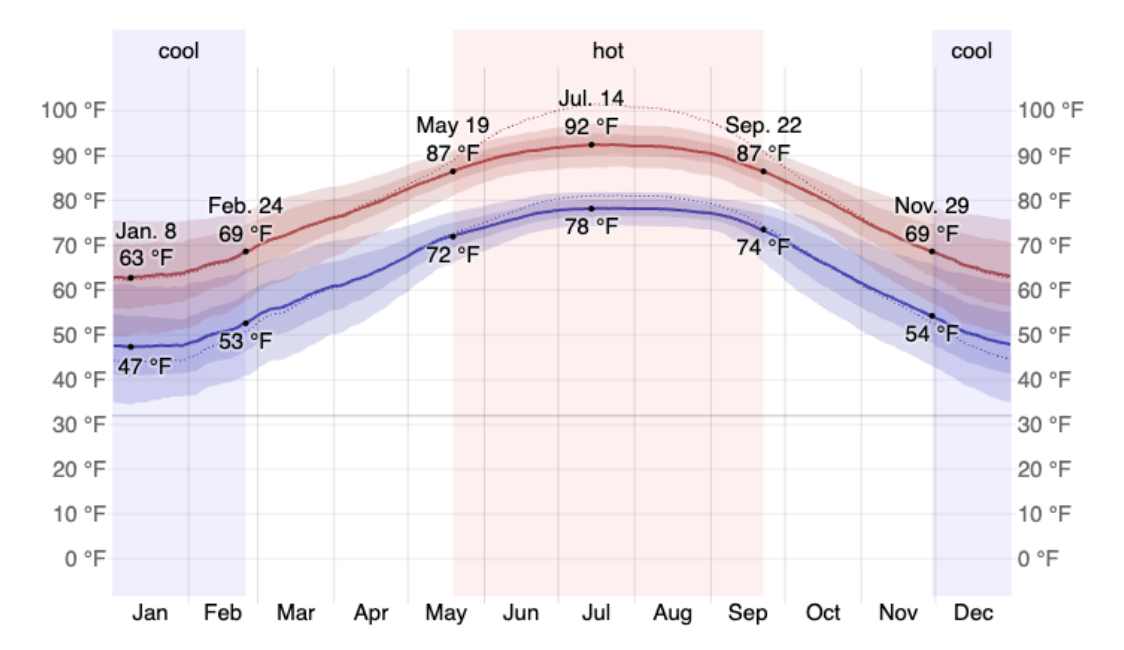
Average High and Low Temperature in New Orleans © WeatherSpark.com
How Mold Forms Indoors
When that moisture settles on organic surfaces like drywall, wood, insulation, or dust, mold can begin growing in as little as 48 to 72 hours. For more information, we recommend visiting the Environmental Protection Agency’s guide to mold, moisture, and your home.
Ventilation and Airflow Challenges
Homes in New Orleans and surrounding areas, such as Mandeville, Slidell, LaPlace, and Belle Chasse, with limited ventilation, older construction, or heavy air conditioning use without proper humidity control, are especially prone to indoor mold problems. Once mold develops, it releases spores into the air, which directly impacts indoor air quality, even when mold is hidden behind walls or under flooring.
Bathrooms: A Common Source of Indoor Mold Problems
Why Bathrooms Are Mold Hotspots
Bathrooms are one of the most frequent locations for mold growth in homes, and indoor mold problems often begin here before spreading and requiring mold remediation to restore the air quality. Steam from showers and baths increases humidity levels, and without proper ventilation, moisture remains on surfaces long after use.
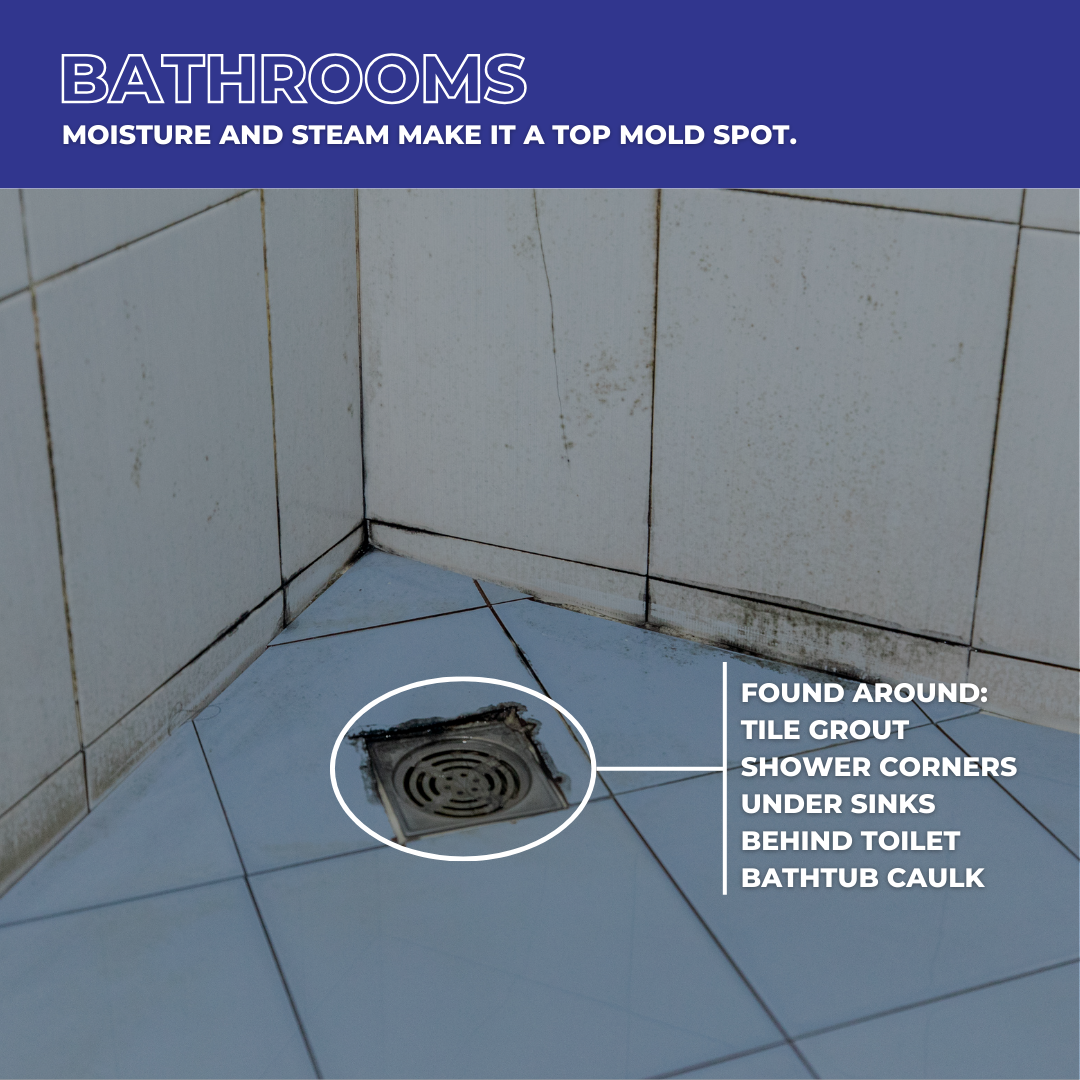
Where Mold Commonly Forms in Bathrooms
Mold is often found in humid and wet areas of a bathroom. It is most commonly found in these areas:
Tile grout
Shower corners
Under sinks
Behind toilets
On the bathtub caulk
In homes around New Orleans, like Slidell, LaPlace, and others, bathrooms without working exhaust fans or with aging plumbing are especially vulnerable. These mold problems can gradually spread into wall cavities, affecting indoor air quality beyond the bathroom itself.
Kitchens and Hidden Mold Growth
Hidden Moisture Risks in Kitchens
Kitchens may not seem like a high-risk area, but they are a common source of indoor mold problems due to hidden leaks and moisture buildup. These indoor mold problems frequently lead homeowners to seek mold remediation to protect the air quality in the Greater New Orleans region. Small plumbing leaks can go unnoticed for months, allowing mold to grow behind cabinets and appliances.
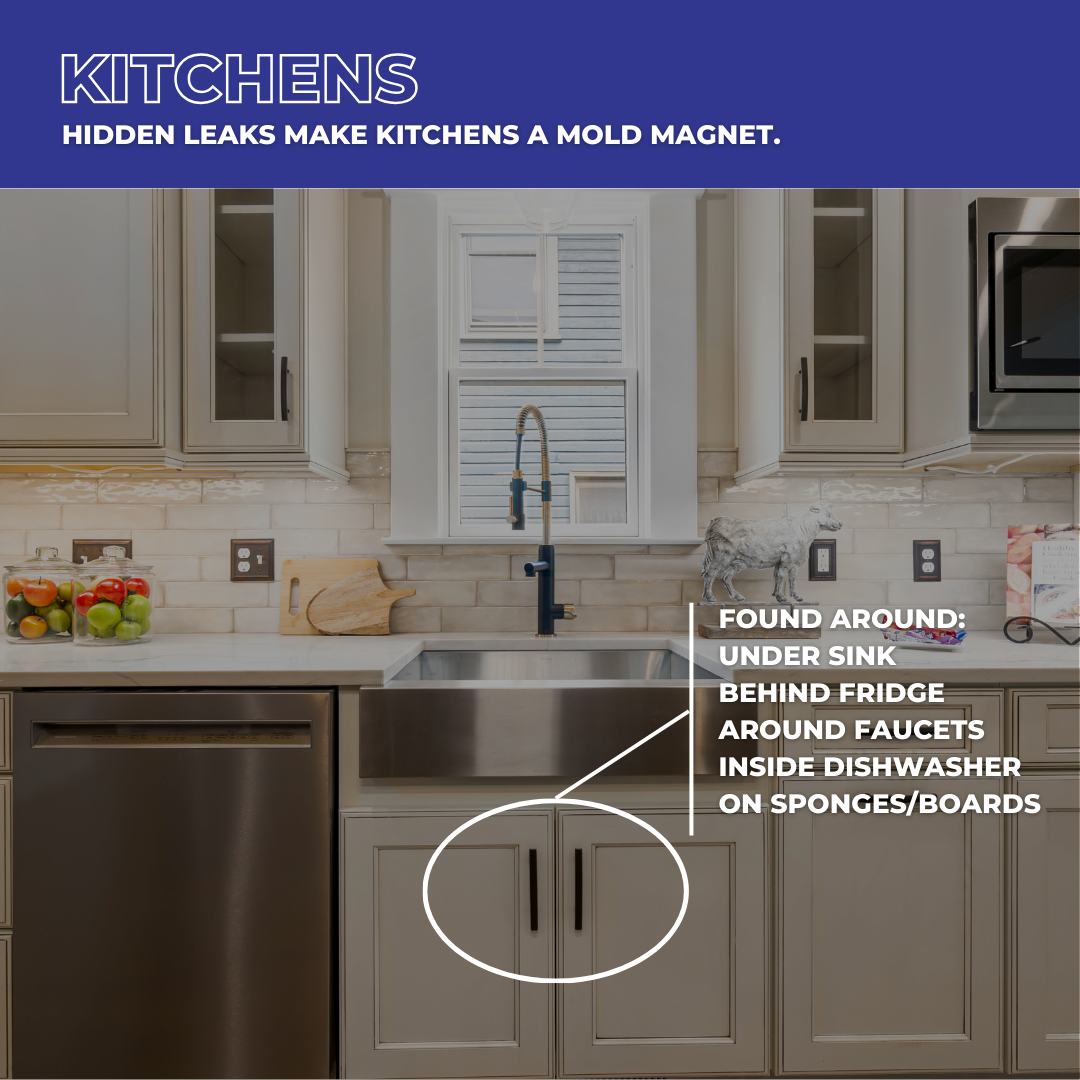
Common Kitchen Mold Locations
Mold frequently develops in a few common places in the kitchen. Here is where to look for it:
Under sinks
Behind refrigerators
Around faucets
Inside dishwashers
On damp sponges or cutting boards
Because kitchens often connect to open living areas, mold growth here can quickly impact indoor air quality in New Orleans homes.
Basements and Crawl Spaces in New Orleans Homes
Crawl Spaces and Basements: Mold Below the Home
Cool, damp spaces such as basements and crawl spaces create ideal environments for mold growth and persistent indoor mold problems. Because of this, mold remediation often includes crawl space solutions to protect indoor air quality in New Orleans homes. In Greater New Orleans areas, crawl spaces are particularly problematic due to high groundwater levels and limited ventilation.
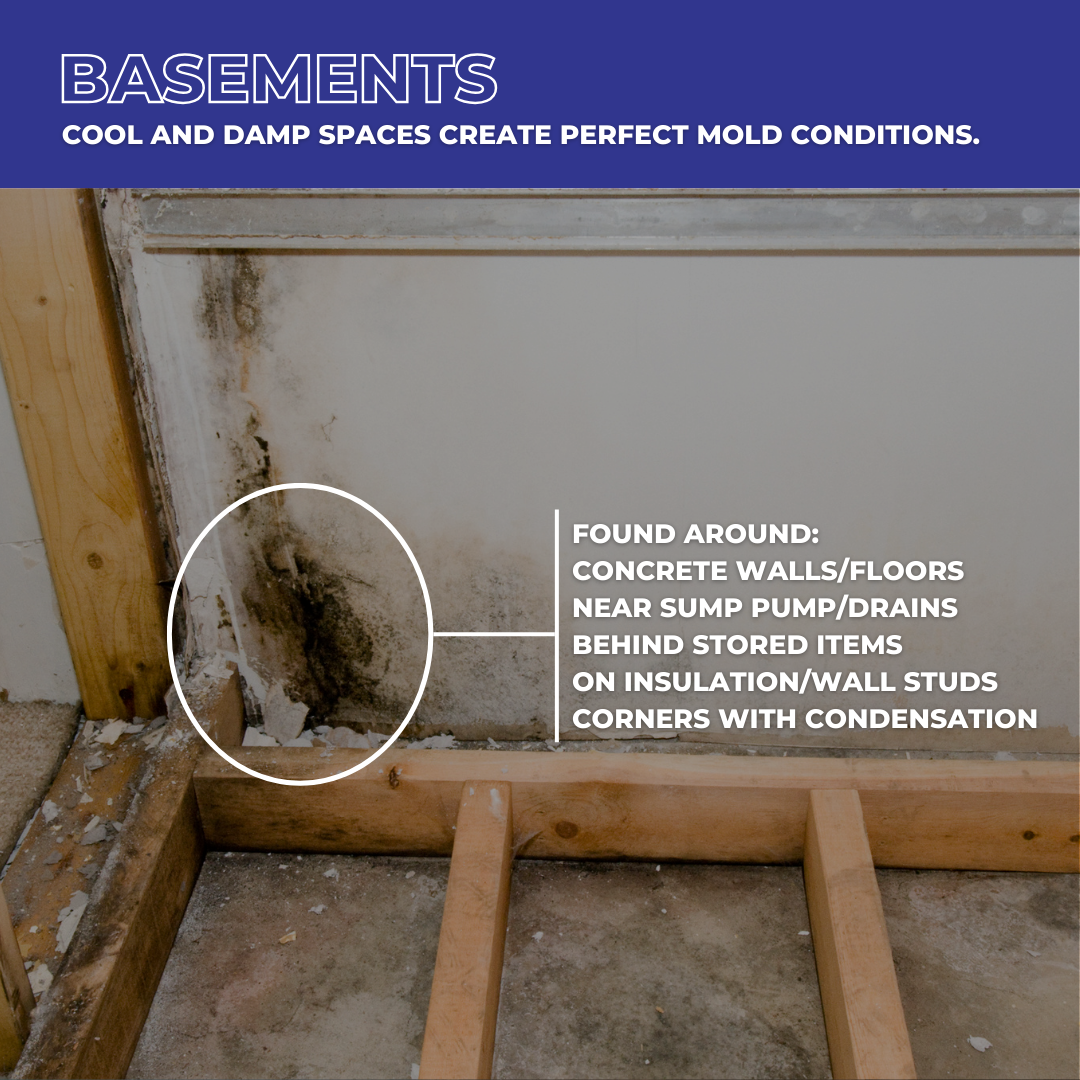
Mold Risks Below the Living Space
Mold frequently develops in a few common places in the basement or crawl space. Here is where to look for it:
On concrete walls and floors
Near sump pumps and drains
Behind stored items
On the insulation and wall studs
In corners with condensation
Mold in crawl spaces does not stay contained, as the spores can move upward into living areas, making professional mold remediation important when these spaces are affected.
Window Condensation and Mold Formation
Condensation Around Windows and Mold Growth
Condensation around windows is another frequent cause of indoor mold problems. Window-related indoor mold problems can quietly reduce the air quality of your home in cities such as Mandeville, Slidell, and others, and eventually require professional mold remediation. When warm, humid air meets cooler glass surfaces, moisture forms repeatedly over time.
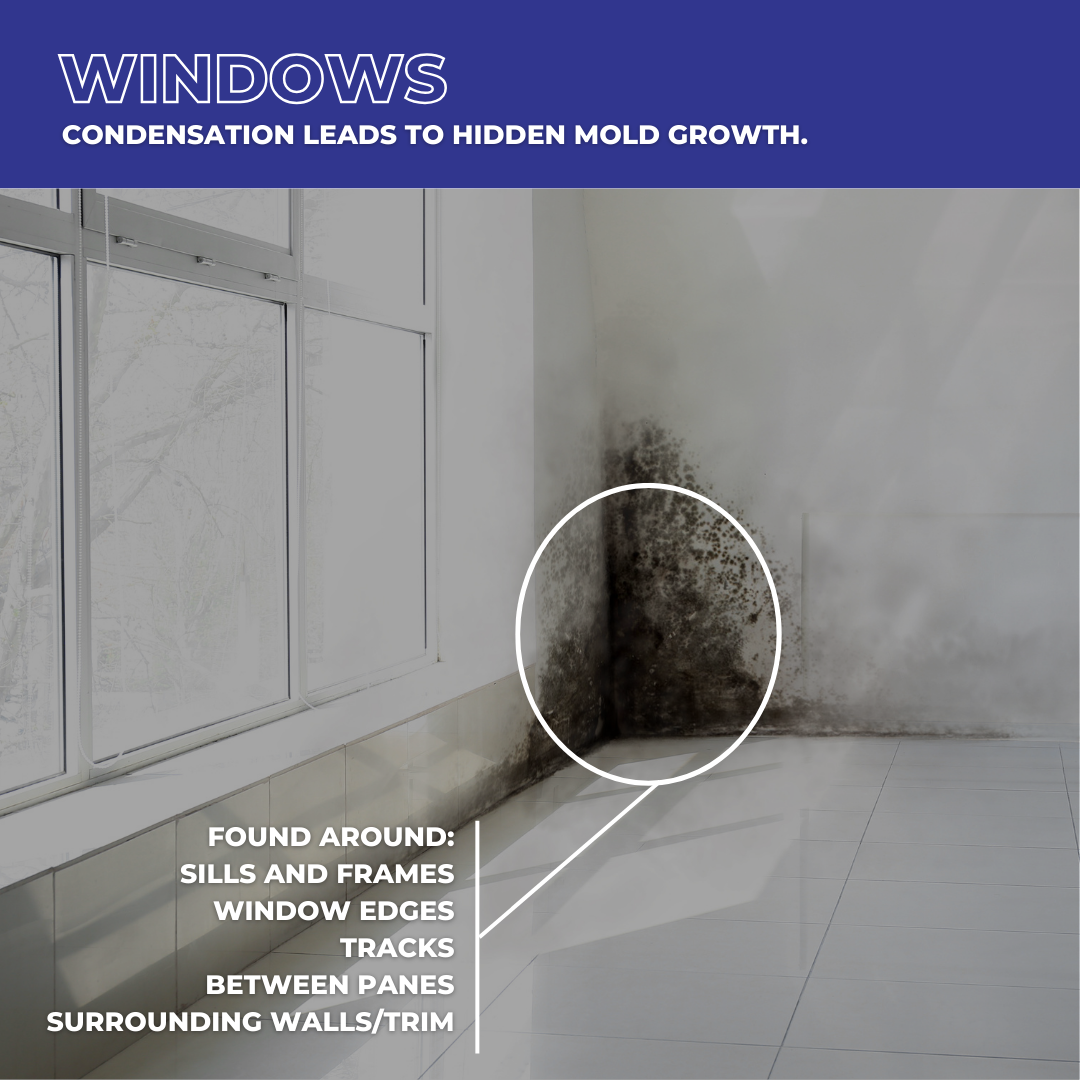
Common Window Mold Areas
When dealing with potential mold issues, knowing where to check is the first step toward remediation. Here's where to look for mold:
Window sills and frames
Around the window edges
In the tracks
Between the panes
On the surrounding walls and trims of the window
Even small window-related mold issues can contribute to declining indoor air quality, especially during peak humidity months.
HVAC Systems and the Spread of Mold Spores
Mold Inside HVAC Systems and Ductwork
One of the most serious indoor mold problems occurs inside HVAC systems and ductwork. HVAC-related mold problems are a major reason homeowners in cities such as New Orleans, LaPlace, and many more pursue mold remediation to restore indoor air quality.
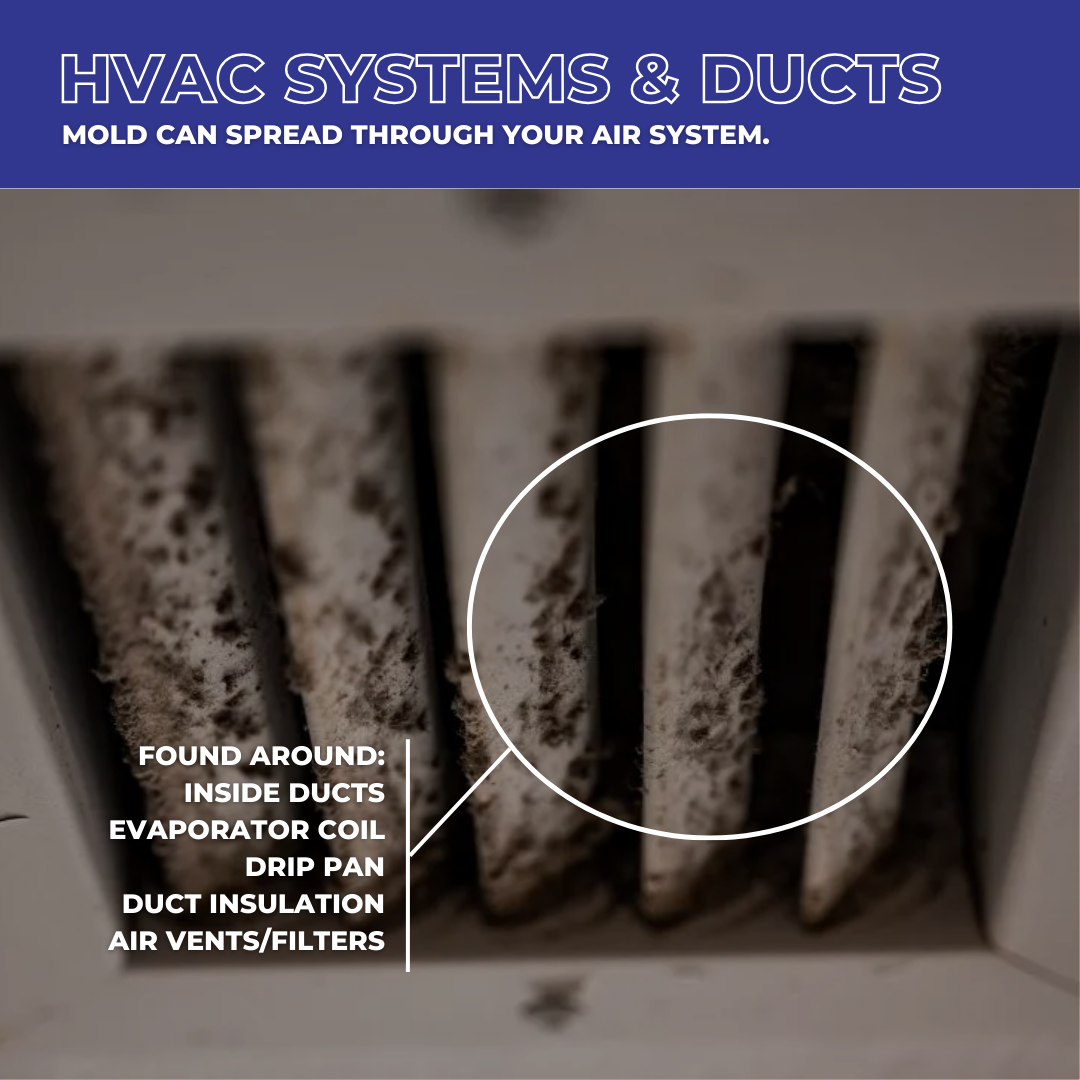
Where to Look for Mold in Your HVAC System
Mold may potentially develop in your HVAC system. Here is where to look for it:
Inside ducts
On the evaporator coils
In your drip pan
On duct insulations
In air vents and filters
When mold is present in an HVAC system, spores can circulate throughout the entire home every time the system runs. Because air conditioning is used heavily in the Greater New Orleans region, HVAC-related mold is a major contributor to poor indoor air quality and recurring contamination.
Why Professional Mold Remediation in New Orleans Matters
Comprehensive Mold Remediation Approaches
Effective mold remediation involves more than surface cleaning. Mold remediation in New Orleans addresses mold problems at the source while improving indoor air quality through moisture control and ventilation improvements. A professional approach includes identifying moisture sources, containing affected areas, safely removing contaminated materials, and preventing future mold growth. Addressing ventilation and HVAC contamination is also critical for restoring indoor air quality in New Orleans homes.
IAQ Services provides comprehensive indoor air quality solutions, including mold remediation, moisture control, and HVAC-related air quality services. Learn more about our services on our website. For local credibility and reviews, homeowners can also visit our Google Business Profile.
How Mold Remediation Supports Long-Term Indoor Air Quality
IAQ Services offers comprehensive indoor air quality evaluations designed to identify mold sources, moisture issues, and ventilation concerns. This approach ensures that remediation efforts are targeted, effective, and focused on long-term results rather than short-term fixes.
Mold remediation is most effective when it is part of a broader indoor air quality strategy. Removing contaminated materials is only one part of the process. Proper remediation also includes correcting moisture sources, sealing affected areas, cleaning HVAC components when necessary, and recommending improvements to ventilation or humidity control.
By addressing the underlying causes of mold problems, homeowners can protect indoor air quality and reduce the risk of future mold growth. This comprehensive approach is especially important in New Orleans and surrounding cities, where climate conditions make mold prevention an ongoing challenge.
Schedule Professional Mold Remediation
If you are dealing with indoor mold problems or have concerns about your air quality, contact us today to schedule an inspection. Our mold remediation services in cities such as New Orleans, Mandeville, Slidell, LaPlace, and Belle Chasse are designed to resolve mold issues and improve indoor air quality.
Frequently Asked Questions About Mold and Indoor Air Quality in New Orleans
What causes indoor mold problems in New Orleans homes?
Indoor mold problems are typically caused by excess moisture from high humidity, plumbing leaks, roof leaks, condensation, or inadequate ventilation. Because the Greater New Orleans region experiences high humidity for much of the year, moisture control is critical for preventing mold growth and protecting indoor air quality.
How does mold affect my home’s indoor air quality?
Mold releases microscopic spores into the air that can circulate throughout a home. These spores can reduce indoor air quality, contribute to persistent odors, and irritate the respiratory system. In homes with HVAC contamination, mold spores can spread to multiple rooms, worsening indoor air quality in New Orleans residences.
Is mold remediation in New Orleans different from other regions?
Yes. Mold remediation in New Orleans often requires greater emphasis on humidity control, crawl spaces, and HVAC systems due to the local climate. Successful remediation must account for ongoing moisture exposure and include strategies to prevent recurrence.
Can mold grow inside HVAC systems?
Yes. Mold can grow inside ductwork, on evaporator coils, in drip pans, and on duct insulation. When mold is present in HVAC systems, spores can be distributed throughout the home, making indoor air quality issues more widespread.
When should I contact a professional for mold remediation?
You should contact a professional mold remediation company if you notice visible mold, persistent musty odors, unexplained allergy symptoms, or ongoing humidity issues. Early intervention helps protect indoor air quality and prevents mold problems from becoming more severe.